
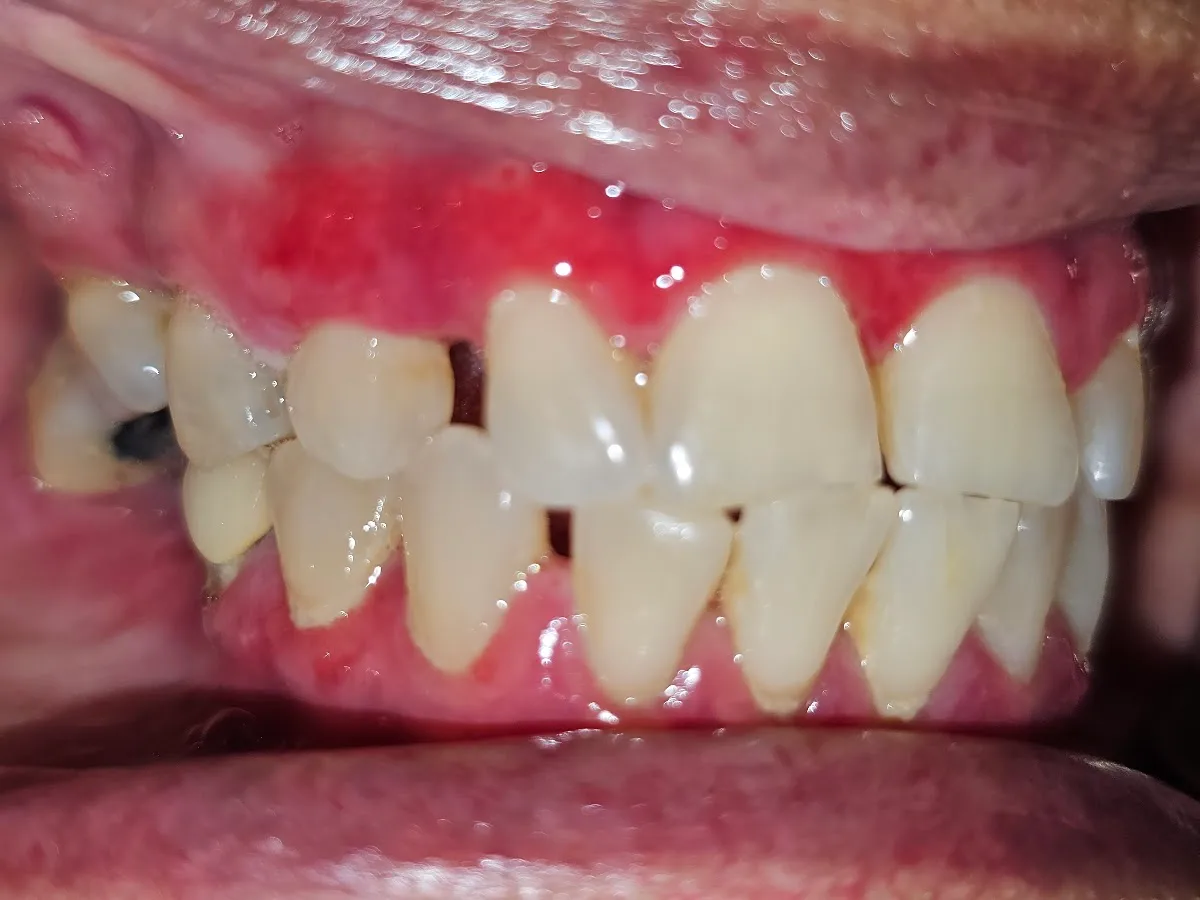
People usually search for holistic gum disease treatment for one of two reasons. Either they want to avoid gum surgery, or they’ve had “deep cleanings” before and the problem keeps coming back. Both are reasonable concerns. The honest answer is that a holistic approach doesn’t skip the hands-on work. It adds a second question to the treatment plan: why is this person’s body losing the fight against these bacteria?
That two-part view, treating the local infection and the systemic factors that feed it, was a central theme of the periodontal portion of my integrative training through the American College of Integrative Medicine and Dentistry (ACIMD). Here is how it translates into real care.
Key takeaways
- Periodontitis is a chronic inflammatory infection of the tissues that hold your teeth. Roughly 42% of U.S. adults over 30 have some form of it.
- Mechanical removal of plaque and tartar below the gumline is still the foundation. No supplement or rinse can do that job.
- What a holistic dentist adds: closer attention to blood sugar, smoking, sleep, stress, nutrition, and the oral microbiome, all of which change how well gums heal.
- Treating gum disease in people with diabetes lowers HbA1c by about 0.4 percentage points within a few months, which shows how closely mouth and body are linked.
What Gum Disease Really Is
Gingivitis is inflammation limited to the gums: redness, swelling, and bleeding when you brush or floss. It is reversible. Periodontitis is what happens when that inflammation becomes chronic and starts destroying the ligament and bone around the teeth. Pockets form between the gum and tooth, bacteria colonize those pockets, and the immune response, the body’s attempt to fight the infection, does much of the damage.

National survey data published in 2018 estimated that about 42% of American adults aged 30 and older have periodontitis, and nearly 8% have severe disease. Because it is usually painless until late, many people don’t know they have it.
Why Your Body Matters as Much as Your Bacteria
Two people can have similar amounts of plaque and very different amounts of bone loss. That difference comes largely from the host, the person, rather than the bacteria alone. The best-documented systemic factors are:
- Blood sugar. Diabetes increases the risk and severity of periodontitis, and the relationship runs both ways. A 2022 Cochrane review of 35 trials found that periodontal treatment lowered HbA1c by about 0.43 percentage points at three to four months, with moderate certainty.
- Smoking and vaping. Tobacco is one of the strongest risk factors for periodontitis and masks bleeding, so the disease can look milder than it is.
- Nutrition. Low vitamin C is linked to bleeding gums (more on that below), and diets high in refined sugar and low in fiber and vegetables are linked to more gum inflammation.
- Stress and sleep. Chronic stress hormones and poor sleep impair immune regulation and wound healing.
- Medications and dry mouth. Many common drugs reduce saliva, which normally buffers acids and controls bacteria.
Periodontitis has also been associated with heart disease, stroke, and pregnancy complications. The American Heart Association has noted that the association is real but that the evidence does not prove gum disease causes heart disease. I find it most useful to think of chronic gum inflammation as one more inflammatory burden that is worth removing for its own sake.
Step One: Measure the Problem Accurately
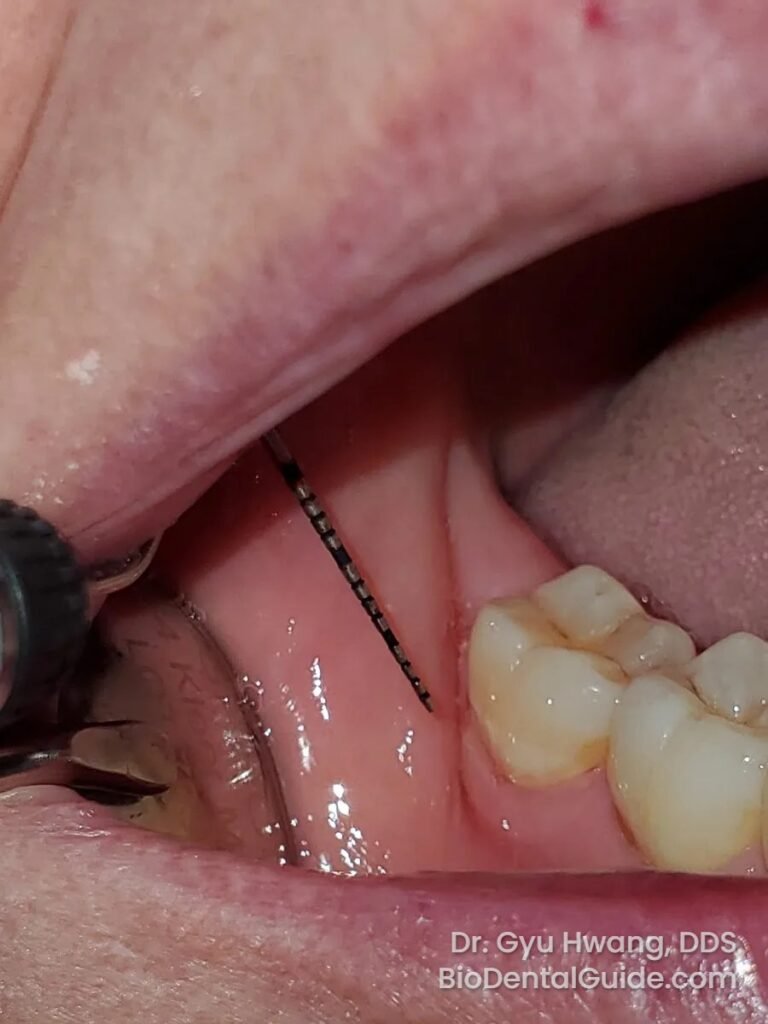
A thorough periodontal exam includes probing depths around every tooth, bleeding points, gum recession, tooth mobility, and X-rays to see bone levels. If your last “exam” didn’t include a full set of pocket measurements, you don’t yet have a diagnosis.
In my practice I also use phase-contrast microscopy, looking at a small plaque sample under a microscope at the chair. It lets patients see the motile bacteria living in their own gums, and it helps me track how the biofilm changes after treatment. I want to be clear about its limits: it is an observation and education tool, not a validated diagnostic test, and it doesn’t replace probing and X-rays. But for many patients, seeing is what finally makes home care stick.

Step Two: Remove the Biofilm Thoroughly
Plaque that has hardened into calculus (tartar) below the gumline cannot be brushed, rinsed, or supplemented away. Scaling and root planing, carefully cleaning the root surfaces under local anesthesia, remains the core treatment for active periodontitis. Done well, quadrant by quadrant with good instruments and enough time, it resolves many cases without surgery.

Biological practices often add disinfection aids to this step:
- Lasers to reduce bacteria in the pocket and remove inflamed pocket lining (I cover the evidence in my article on holistic laser dentistry)
- Ozone irrigation or gas as an adjunct (see ozone therapy in dentistry)
- Targeted antimicrobials when the bacterial picture or the response to treatment calls for it
None of these replaces thorough cleaning. They are there to make it work better.
Step Three: Change the Terrain
This is the part that makes an approach holistic. Once the infection is disturbed, the goal is to make the gums a place where harmful bacteria struggle to come back.
Get blood sugar under control. If you have diabetes or prediabetes, your gum results depend heavily on it. I ask patients to share their latest HbA1c and coordinate with their physician.
Quit tobacco. This is the single most powerful change a smoker can make for their gums.
Eat for your gums. In a small randomized trial, an anti-inflammatory diet lower in processed carbohydrates and higher in vegetables, omega-3 fats, and fiber reduced gum bleeding within four weeks, even though plaque levels didn’t change. A 2021 analysis linked gum bleeding to low blood levels of vitamin C, which is common among smokers and people who eat few fruits and vegetables (see vitamin C and your gums). Omega-3 fatty acids taken alongside periodontal treatment have shown modest additional improvement in pocket depth and attachment in pooled analyses.
Support a healthy oral microbiome. Rather than sterilizing the mouth with strong daily mouthwash, the goal is to favor the bacteria that keep it healthy. Some patients benefit from oral probiotics after treatment, and xylitol can reduce cavity-causing bacteria. I’m cautious about routine twice-daily antiseptic rinses because of their effects on helpful bacteria; I explain why in mouthwash, your oral microbiome, and blood pressure.
Sleep and stress. Mouth breathing dries the gums and is often a sign of a sleep or airway problem. Grinding and clenching can add stress to teeth that are already losing support. Both are worth evaluating.
Step Four: Keep It Gone
Periodontitis is managed, not cured. After active treatment, most patients do best with professional maintenance every three to four months, at least for the first year or two. Home care that actually reaches between the teeth, using interdental brushes, floss, or a water flosser, matters more than the brand of toothbrush.

Re-measuring pockets after treatment tells us whether the plan worked. If certain sites stay deep and bleeding, that’s when we talk about laser-assisted therapy, regenerative procedures, or surgery, with a clearer picture of why those sites didn’t respond.
What “Holistic” Should Not Mean
Be cautious of any program that promises to cure periodontitis with herbs, oils, or supplements alone, skips measuring your pockets, or treats every case the same way. Essential-oil toothpastes and natural rinses can be pleasant parts of home care, but they cannot remove calculus from a 6-millimeter pocket. The most natural thing you can do for your gums is to remove the infection thoroughly and then fix what allowed it to take hold.

Frequently Asked Questions
Can gum disease be reversed naturally?
Gingivitis, the early stage, can often be reversed with better home care, diet, and a professional cleaning. Periodontitis involves lost bone and attachment, which does not grow back on its own. It can be stopped and stabilized with proper treatment, and some defects can be regenerated with specialized procedures.
Does holistic gum treatment replace scaling and root planing?
No. Thorough cleaning of the root surfaces below the gumline is still the foundation of treating periodontitis. A holistic approach adds attention to blood sugar, smoking, nutrition, sleep, and the oral microbiome so that the cleaning works better and lasts longer.
What is phase-contrast microscopy, and do I need it?
It is a way to look at a plaque sample under a microscope at the dental chair to see the types and activity of bacteria present. It is helpful for education and tracking changes, but it is not a required or validated diagnostic test. A full periodontal charting and X-rays are what establish the diagnosis.
Which vitamins help gum disease?
Vitamin C is the best-supported nutrient for gum bleeding, especially if your intake is low. Omega-3 fats may give a modest added benefit during treatment, and correcting a vitamin D deficiency supports overall healing. Supplements help most when they fix a real shortfall; they can’t substitute for treatment.
How often should I get cleanings if I have periodontitis?
Most people with treated periodontitis do best with maintenance visits every three to four months, at least at first. Your dentist should adjust that interval based on how your pockets and bleeding respond over time.
Bottom Line
Effective holistic gum disease treatment is not a gentler substitute for real periodontal care. It is real periodontal care, careful measurement and thorough cleaning, combined with honest attention to blood sugar, tobacco, diet, sleep, stress, and the health of the oral microbiome. That combination is what keeps gum disease from coming back.
References
- Eke PI, et al. Periodontitis in US adults: National Health and Nutrition Examination Survey 2009-2014. Journal of the American Dental Association. 2018;149(7):576-588.
- Simpson TC, et al. Treatment of periodontitis for glycaemic control in people with diabetes mellitus. Cochrane Database of Systematic Reviews. 2022.
- Lockhart PB, et al. Periodontal disease and atherosclerotic vascular disease: does the evidence support an independent association? A scientific statement from the American Heart Association. Circulation. 2012;125:2520-2544.
- Hujoel PP, et al. Bleeding tendency and ascorbic acid requirements: systematic review and meta-analysis of clinical trials. Nutrition Reviews. 2021.
- Woelber JP, et al. The influence of an anti-inflammatory diet on gingivitis: a randomized controlled trial. Journal of Clinical Periodontology. 2019;46:481-490.
- Kruse AB, et al. What is the impact of the adjunctive use of omega-3 fatty acids in the treatment of periodontitis? A systematic review and meta-analysis. Lipids in Health and Disease. 2020;19:100.
About the Author

Dr. Gyu Hwang, DDS, practices at Evergreen Dental Wellness in Annandale, Virginia. He has treated patients since 2004, beginning with his clinical training at the University of Michigan School of Dentistry (DDS, 2006). His postgraduate training includes the Pankey Institute, the Dawson Academy, the Kois Center, and biological and integrative dentistry through the American College of Integrative Medicine and Dentistry (ACIMD). His practice focuses on biological dentistry, implants, laser dentistry, and sleep appliances. Read more about Dr. Hwang.
This article is for education and does not replace an in-person dental evaluation.