

You swallow 34 ounces (about 1 liter) of saliva a day, and with it a steady stream of bacteria from your mouth. For most of life, stomach acid and a crowded, diverse gut keep those visitors in check. With age, that barrier thins, and the mouth leaves a bigger footprint on the gut. That is why longevity researchers now study oral bacteria and gut microflora together when they ask why some people age well and others don’t.
I have treated patients since 2004, when my clinical training in dental school began, and the microbiome was a recurring theme of my biological and integrative dentistry training. This article was prompted by a recent lecture by Dr. Young-Jin Lee, a Korean physician who has spent more than 40 years in aging medicine and wrote Korea’s first geriatric medicine textbook. He describes the gut as both a cause and a result of aging. As a dentist, I would add that the gut’s story starts in the mouth. Below I separate what the research on the oral microbiome and longevity shows from what is still speculation, and I share the habits I recommend to patients who want their mouth to support a long, healthy life.
Key takeaways
- Oral bacteria travel to the gut every day. Their share of the gut community is higher in older adults and in people with more dental plaque.
- In people who age well, the gut microbiome becomes more individual over time. Centenarians carry gut bacteria that make protective bile acids.
- In pooled cohort studies, gum disease is linked to a 46% higher risk of death from any cause, and losing all your teeth to a 66% higher risk. These are associations, not proof of cause.
- Lower oral microbial diversity tracks with frailty and with higher mortality in large population studies.
- The practical steps are simple: treat gum disease, keep your teeth, don’t sterilize your mouth, eat fiber and fermented foods, and protect your saliva.
Your Mouth Seeds Your Gut, and More So With Age
Your mouth is the top of your digestive tract, and its bacteria move downstream every time you swallow. A 2019 study that tracked bacterial strains in paired saliva and stool samples from 470 people found signs of mouth-to-gut transmission for most species living in both places. In most people, oral strains made up about 2% of gut bacteria. In some, they exceeded 30%. I cover that study and the gut-disease research in detail in the oral-gut axis.
Age changes the picture. A 2023 study in the Journal of Dental Research used high-resolution sequencing on paired saliva and stool from 144 community-dwelling adults. The total share of oral bacteria in the gut was significantly higher in older participants and in those with more dental plaque.
Why would the mouth leave a bigger mark on the gut later in life? Several of the gut’s defenses tend to weaken with age:
- Stomach acid, which kills many swallowed bacteria, often declines, and acid-reducing drugs become more common.
- Gut diversity can shrink after antibiotics, illness, or a narrower diet, leaving room for newcomers.
- Oral health often slips: more plaque, more gum disease, drier mouths from medications.
Researchers call the result “oralization” of the gut. It isn’t a disease on its own. But it suggests the gut’s resistance to outsiders is thinning, and that resistance turns out to matter for how we age.
A Wall One Cell Thick
Dr. Lee asks his audience to picture the gut lining. A single layer of epithelial cells, about 1/50 of a millimeter thick, separates your body from what he calls a giant fermentation tank: food residue, fiber, bile, mucus, shed cells, and the compounds gut bacteria release. On the other side sit immune cells, blood vessels, nerves, and lymphatics. Huge numbers of molecules cross that thin wall every day.
That picture is why he calls the gut an “integration hub” of aging. An aging body ages the gut, and an aging, imbalanced gut speeds aging everywhere else. It is both a cause and a result. The bacteria you swallow from your mouth arrive on the inner side of that wall, which is why the state of your mouth matters to it.
What the Microbes of Long-Lived People Look Like
A healthy gut microbiome doesn’t stay frozen as we age. In people who age well, it changes in a particular direction.
It becomes more individual. A 2021 study in Nature Metabolism analyzed more than 9,000 people in three U.S. cohorts. Starting in mid-to-late adulthood, healthy people’s gut microbiomes grew increasingly unique, drifting away from the core genera, mainly Bacteroides, that dominate most adult guts. Among more than 900 community-dwelling adults aged 78 to 98, those who kept high Bacteroides dominance or showed little uniqueness had lower survival over four years. The unique pattern tracked with blood metabolites made by gut bacteria, including indole, a tryptophan product that extended lifespan in mice.
Centenarians carry protective chemistry. A 2021 study in Nature compared 160 Japanese centenarians with 112 adults aged 85 to 89 and 47 adults aged 21 to 55. The centenarians’ gut bacteria were enriched in pathways that make unusual secondary bile acids. One of them, isoallo-lithocholic acid, is produced by bacteria in the Odoribacteraceae family and strongly inhibited gram-positive pathogens, including drug-resistant strains, in lab tests. The working idea: long-lived people may host gut bacteria that help keep harmful microbes out.
Some oral-type bacteria point the other way. A 2023 genetic study using Mendelian randomization, a method that uses inherited variation to probe cause and effect, looked for gut and oral bacteria related to longevity in a Chinese population. Among gut bacteria negatively linked to longevity was Fusobacterium nucleatum, a gum-pocket bacterium also tied to colorectal cancer. The same study found many links between oral bacteria and longevity, although results varied across populations.
The thread connecting these findings is a resilient gut community that resists invaders. When large numbers of mouth bacteria establish themselves in the gut, that resistance has likely weakened.
Gum Disease, Tooth Loss, and Lifespan
The strongest human data linking the mouth to longevity come from gum disease and tooth loss. A 2021 systematic review in the Journal of Dental Research pooled cohort studies on periodontitis, edentulism (losing all natural teeth), and death:
| Cause of death | Periodontitis | Edentulism |
|---|---|---|
| Any cause | 46% higher risk | 66% higher risk |
| Cardiovascular disease | 47% higher | 103% higher |
| Cancer | 38% higher | 55% higher |
| Coronary heart disease | 158% higher | 198% higher |
The oral microbiome itself shows a similar pattern. In 2025, National Cancer Institute researchers linked oral rinse samples from 7,721 U.S. adults aged 20 to 69 (NHANES 2009-2012) to death records. Over an average of 8.8 years, 426 participants died, and higher oral microbial diversity was associated with lower all-cause mortality.
Diversity also tracks with frailty, the loss of physical reserve that makes older adults vulnerable to illness and slow recovery. A 2024 study of Canadian adults found that most measures of salivary microbial diversity were lower in people with higher frailty scores. An analysis of 2,696 U.S. adults aged 50 and older reported the same gradual pattern: each step down in oral diversity matched a little more frailty.
A caution: these are observational studies. People with gum disease or no teeth are also more likely to smoke, have diabetes, and lack regular care. Good studies adjust for those factors, but adjustment can’t erase them. Still, the pattern holds across countries and study designs, and tooth loss is often the end stage of untreated gum disease.
Bacteria aren’t the only residents. Some plaque samples also contain Trichomonas tenax, a single-celled flagellate that lives in the mouth. A 2021 meta-analysis estimated it is present in about 17% of people worldwide, and a 2019 systematic review found it more often in sites with periodontitis than in healthy sites. Whether it helps cause gum disease or simply thrives in inflamed pockets is still unproven.
How Oral Bacteria May Speed Aging
No single mechanism explains these links. Four pathways have the most support.
Inflammaging. Aging researchers use this word for the chronic, low-grade inflammation that rises with age and feeds heart disease, diabetes, frailty, and dementia. A 2023 update to the widely cited “hallmarks of aging” framework added dysbiosis, an imbalanced microbiome, as one of the core processes of aging. Gum disease adds to that inflammatory load from two directions. Inflamed gum pockets let bacteria and their toxins into the bloodstream during everyday chewing and brushing. And swallowed bacteria can disturb the gut: in mice, swallowed Porphyromonas gingivalis altered the gut microbiome, weakened the gut barrier, and raised markers of systemic inflammation.
The heart and blood vessels. The American Heart Association concluded in 2012 that gum disease is associated with atherosclerotic vascular disease independent of shared risk factors, but that a causal link has not been proven. That is still a fair summary.
The brain. In 2019, researchers reported finding gingipains, toxic enzymes made by P. gingivalis, in the brains of people with Alzheimer’s disease. A drug that blocks gingipains was then tested in the GAIN trial in 643 people with mild to moderate Alzheimer’s. It missed both of its main goals. In a subgroup with P. gingivalis detected in saliva, the higher dose appeared to slow cognitive decline. That is an intriguing signal, not a treatment, and not proof that gum bacteria cause dementia.
Blood pressure. Certain tongue bacteria convert nitrate from vegetables into nitrite, which the body turns into nitric oxide, a molecule that relaxes blood vessels. Wiping out those bacteria with strong antiseptic mouthwash can blunt that pathway. I explain the details in mouthwash and blood pressure.
Can a Daily Cup of Tea Help Your Oral and Gut Bacteria?
Dr. Lee closes his lecture with a habit he has kept for more than a decade: a daily cup of herbal tea, rotated every week or two. He recommends three cheap, easy-to-find teas, each matched to a hallmark of aging: green tea for DNA damage, astragalus root tea for telomeres and immune balance, and ginger tea for chronic inflammation. For variety, he adds chamomile and hibiscus. For the mouth, green tea has the best evidence of the group. The effects are modest, and tea works alongside gum care, not instead of it.
In the gums. A 2009 study in the Journal of Periodontology examined 940 Japanese men aged 49 to 59. Each additional daily cup of green tea was linked to slightly shallower gum pockets, less attachment loss, and less bleeding, even after adjusting for other factors. The authors called the association modest.
In the lab. EGCG, the most abundant catechin in green tea, inhibits several gum-disease bacteria, including P. gingivalis, Fusobacterium nucleatum, and Prevotella intermedia. A 2026 study found tea polyphenols suppressed these pathogens’ virulence at concentrations too low to kill them. Lab results don’t prove the same happens in your mouth, but they fit the clinical association.
In the gut. Green tea polyphenols that escape absorption reach the colon, where gut bacteria break them down into smaller compounds. Reviews suggest green tea can encourage some beneficial species and discourage harmful ones, and that gut bacteria may carry part of tea’s health effects.
Astragalus and ginger. The telomere claims for astragalus come mostly from lab studies and small trials of concentrated supplements, not brewed tea, so treat them as promising but unproven. Ginger has more human data: a 2020 meta-analysis of randomized trials found it lowered several inflammatory markers, and ginger compounds inhibit gum-disease bacteria in the lab.
If you drink tea for your microbes, a few details matter:
- Skip the sugar and honey. Sweetened tea sipped all day feeds the bacteria behind cavities and gum inflammation.
- Watch the acidic ones. Hibiscus tea is quite acidic. Drink it with a meal or in one sitting rather than sipping for hours, and rinse with water afterward to protect your enamel.
- Let it cool a few minutes. Very hot drinks, above about 65°C (149°F), are classified as a probable cause of esophageal cancer.
- Brewed tea, not high-dose extracts. Concentrated green tea extract supplements have been linked to liver injury at high doses; ordinary brewed tea has not.
- Check with your physician if you take blood thinners or immune-suppressing drugs, since ginger and astragalus may interact with some medications.
- Rinse with water afterward if staining bothers you.
Eight Habits for a Mouth That Supports Healthy Aging
The research is young, but what it points to is practical. These are the steps I discuss with patients who ask how their mouth fits into a longevity plan.
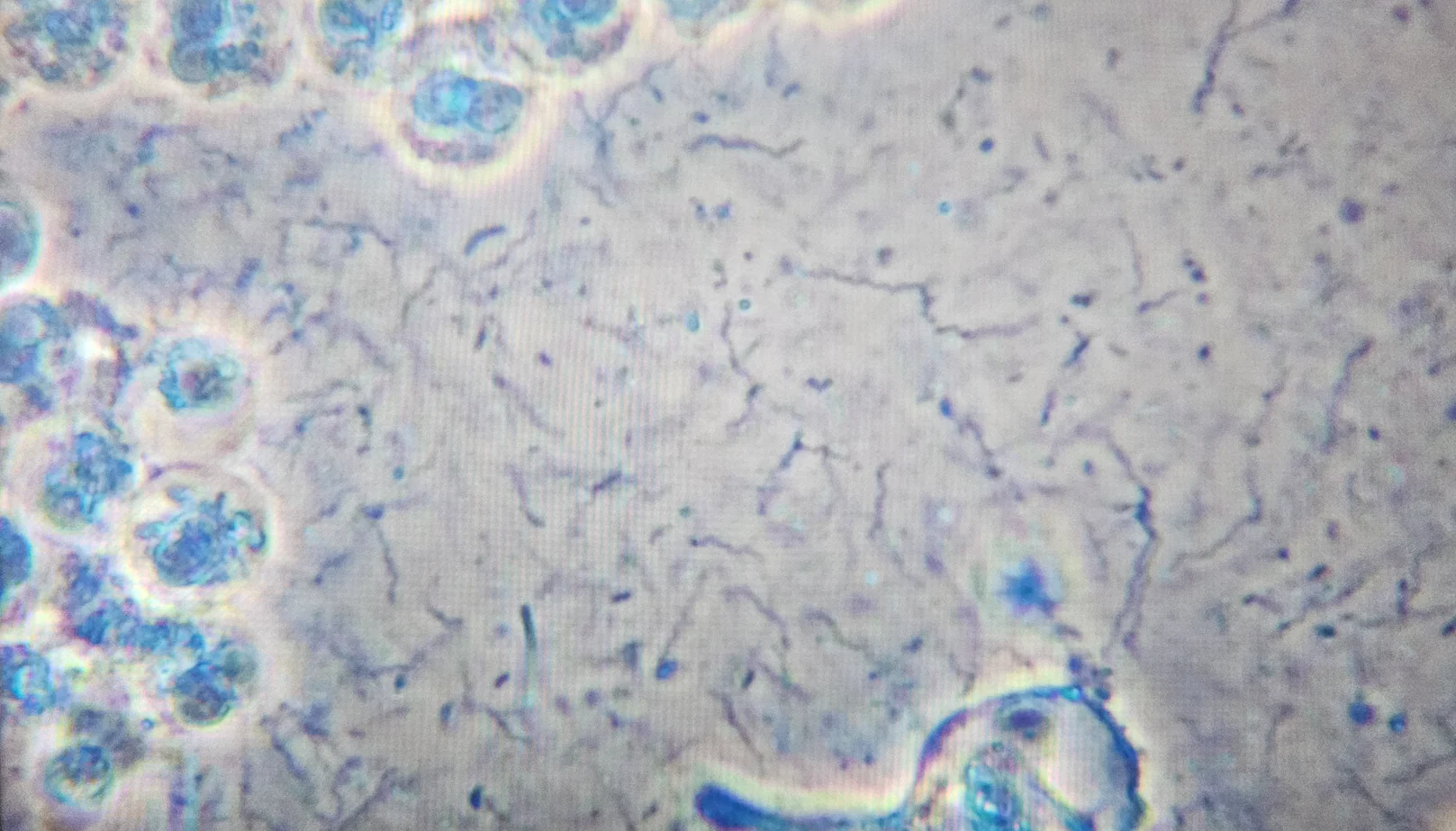
- Treat gum disease first. Periodontal pockets are the largest reservoir of the bacteria implicated in this research. Getting them healthy, and keeping them that way with regular maintenance, reduces what you swallow and what reaches your bloodstream. In my office I use a phase-contrast microscope to show patients the bacteria in their own plaque. It is an education tool, not a diagnostic test, but it changes how seriously people take home care. See holistic gum disease treatment.
- Clean between your teeth and clean your tongue every day. A toothbrush misses the spaces between teeth, where gum disease usually starts. The tongue’s surface holds a large share of oral bacteria. If possible, use a water flosser such as a Waterpik or Hydro Floss. In my practice it’s the most important tool for cleaning between teeth, and I recommend using it at least twice a day, after breakfast and after dinner.
- Keep your teeth, and replace the ones you lose. Tooth loss narrows the diet toward soft, processed foods and away from the fiber your gut bacteria need. If you have lost teeth, restoring your ability to chew is part of protecting your gut.
- Don’t sterilize your mouth. Healthy oral bacteria help keep harmful ones in check and support nitric oxide production. Save strong antiseptic rinses for specific, short-term uses your dentist recommends.
- Feed both microbiomes. Probiotic pills do little if you starve the bacteria you already have, so Dr. Lee’s advice is to order food for your microbes at every meal, not just food for yourself. His practical tip is Korean-style cooked vegetables (namul): blanching and seasoning shrink greens so much that a plate holds about five times the vegetables of a raw salad. He suggests one raw salad a day and a full plate of cooked seasonal vegetables at the other meals, and he uses stool form as a rough check: soft, formed, and easy to pass. Vegetables, legumes, whole grains, nuts, and seeds all feed gut bacteria. Fermented foods may add more: in a 2021 Stanford trial, 36 healthy adults ate either a high-fiber or a high-fermented-food diet for 10 weeks. The fermented-food group, eating foods such as yogurt, kefir, kimchi, and kombucha, gained microbial diversity and showed lower levels of 19 inflammatory proteins. Cut back on sugar, which feeds the bacteria behind cavities and gum inflammation.
- Protect your saliva. Saliva buffers acid, carries antibacterial proteins, and keeps the oral community balanced. Dry mouth from medications, dehydration, or mouth breathing during sleep shifts that balance toward harmful species. If you snore or wake with a dry mouth, ask about sleep-disordered breathing; I treat many of these patients with oral sleep appliances.
- Use antibiotics and acid reducers only when needed. Both can weaken the gut’s defenses against swallowed oral bacteria. If you take a proton pump inhibitor long term, ask your physician whether you still need it and at what dose. Don’t stop a prescribed medication on your own.
- Don’t smoke. Smoking is one of the strongest risk factors for gum disease and shifts the oral microbiome toward disease-associated bacteria.
Nutrition matters for the gums themselves, too. I review the evidence on vitamin C for gum health and on oral probiotics in separate articles.
Beyond the Mouth: Three Longevity Basics
Dr. Lee’s own short list for people in their 50s goes beyond the gut, and it is worth passing on:
- Fitness and joints. Exercise 30 to 40 minutes daily at a moderate, slightly breathless pace, with three or four one-minute bursts of hard effort mixed in. He argues that more people lose mobility to stiff joints, tendons, and ligaments than to weak muscles, so good posture and early care of stiffness matter as much as strength.
- A few metabolic markers. Track your waist circumference. Ask for an insulin-resistance measure, such as HOMA-IR, along with fasting glucose, and for apolipoprotein B (ApoB) along with a cholesterol panel. A normal fasting glucose can hide rising insulin resistance.
- Food for your microbes, and tea. Feed your gut bacteria at every meal and make an herbal tea a daily habit.
The core of his message is not a protocol. He frames aging care not as a way to become young again, but as a way to keep the ability to see, think, decide, and act for yourself until the end of life. Keeping your teeth and gums healthy is part of that.
What We Don’t Know Yet
It is easy to oversell this field, and much of the longevity market does.
- No trial has shown that treating gum disease extends lifespan. The mortality data are associations. Poor oral health may partly be a marker of poor general health rather than a cause of it.
- Most mechanisms come from mice. Animal studies show plausible pathways, not what happens in people.
- Consumer oral and gut microbiome tests can’t guide treatment yet. They can list which bacteria are present, but there is no validated way to turn that list into a longevity plan. Some aging-medicine physicians, including Dr. Lee, analyze stool DNA to monitor gut bacteria, and that may prove useful; standards for interpreting the results are still developing. For your mouth, a periodontal exam tells you more.
- There is no proven “longevity probiotic.” The centenarian bacteria are research leads, not products.
What we can say is that a healthy mouth is part of a healthy gut, gum disease is worth treating for its own sake, and none of the habits above carry meaningful risk.
Frequently Asked Questions
Can oral bacteria affect how long you live?
They may contribute. Gum disease, tooth loss, and low oral microbial diversity are each linked to higher mortality in large studies. These studies show associations, so oral health is best seen as one modifiable factor among many, not a single cause.
Does gum disease change the gut microbiome?
It can. People with more dental plaque carry more oral bacteria in their gut, and in animal studies bacteria expanded by gum disease disturbed the gut and worsened inflammation. Whether treating gum disease restores the gut microbiome in people hasn’t been tested well.
What do centenarians’ gut bacteria have in common?
Studies suggest their gut communities are more individual and less dominated by the usual core bacteria such as Bacteroides. Japanese centenarians also carry bacteria that make unusual bile acids with strong antimicrobial activity. These are associations, and there is no proven way to copy them yet.
Are oral microbiome tests worth it for longevity?
Not yet. They identify bacteria but can’t tell you what to do differently. A periodontal exam, with pocket measurements and bleeding scores, is more useful and is the basis for treatment.
What is the single most important step?
Get gum disease treated and keep it under control. It is the largest reservoir of the bacteria linked to gut and whole-body problems, and controlling it also helps you keep your teeth.
The Bottom Line on the Oral Microbiome and Longevity
Your mouth seeds your gut every day, and that influence grows with age and with dental plaque. People who age well tend to keep a resilient, individual gut community, while gum disease, tooth loss, and a less diverse oral microbiome travel with frailty and earlier death. The science can’t yet promise that a healthier mouth adds years. But the habits it points to are low-risk and good for you anyway: treat gum disease, keep your teeth, leave your helpful bacteria alone, and feed your gut well.
References
- Schmidt TSB, et al. Extensive transmission of microbes along the gastrointestinal tract. eLife. 2019;8:e42693.
- Kageyama S, et al. High-resolution detection of translocation of oral bacteria to the gut. Journal of Dental Research. 2023;102(7):752-758.
- Wilmanski T, et al. Gut microbiome pattern reflects healthy ageing and predicts survival in humans. Nature Metabolism. 2021;3(2):274-286.
- Sato Y, et al. Novel bile acid biosynthetic pathways are enriched in the microbiome of centenarians. Nature. 2021;599(7885):458-464.
- Liu X, et al. Mendelian randomization analyses reveal causal relationships between the human microbiome and longevity. Scientific Reports. 2023.
- Romandini M, et al. Periodontitis, edentulism, and risk of mortality: a systematic review with meta-analyses. Journal of Dental Research. 2021;100(1):37-49.
- Vogtmann E, et al. The oral microbiome and all-cause mortality in a US population-representative prospective cohort. Journal of Infectious Diseases. 2025;232(4):790-795.
- DeClercq V, et al. Oral microbial signatures associated with age and frailty in Canadian adults. Scientific Reports. 2024.
- NYU Shanghai. Your mouth may hold clues to how fast you’re aging. Study summary, Journals of Gerontology: Series A.
- López-Otín C, et al. Hallmarks of aging: an expanding universe. Cell. 2023;186(2):243-278.
- Arimatsu K, et al. Oral pathobiont induces systemic inflammation and metabolic changes associated with alteration of gut microbiota. Scientific Reports. 2014;4:4828.
- Lockhart PB, et al. Periodontal disease and atherosclerotic vascular disease: does the evidence support an independent association? Circulation. 2012;125(20):2520-2544.
- Dominy SS, et al. Porphyromonas gingivalis in Alzheimer’s disease brains: evidence for disease causation and treatment with small-molecule inhibitors. Science Advances. 2019;5(1):eaau3333.
- BioSpace. Cortexyme’s phase 2/3 GAIN trial of atuzaginstat misses co-primary endpoints. 2021.
- Wastyk HC, et al. Gut-microbiota-targeted diets modulate human immune status. Cell. 2021;184(16):4137-4153.
- Kushiyama M, et al. Relationship between intake of green tea and periodontal disease. Journal of Periodontology. 2009;80(3):372-377.
- Kong C, et al. Effects of green tea extract epigallocatechin-3-gallate (EGCG) on oral disease-associated microbes: a review. Journal of Oral Microbiology. 2022;14:2131117.
- Modulatory effects of tea-derived bioactives on oral microbiota and their virulence-reducing properties. Microbial Pathogenesis. 2026;216:108544.
- Review: green tea, catechins, and the gut microbiota. PubMed Central, 2021.
- Morvaridzadeh M, et al. Effect of ginger (Zingiber officinale) on inflammatory markers: a systematic review and meta-analysis of randomized controlled trials. Cytokine. 2020;135:155224.
- Park M, Bae J, Lee DS. Antibacterial activity of [10]-gingerol and [12]-gingerol isolated from ginger rhizome against periodontal bacteria. Phytotherapy Research. 2008;22(11):1446-1449.
- Dr. Dingyo (YouTube). Lecture by Dr. Young-Jin Lee on aging treatment, part 2 (in Korean). November 19, 2026.
- Lee YJ. The Era of Aging Treatment (노화 치료의 시대) (in Korean). Achim Sagwa; 2025.
- Bisson C, Dridi SM, Machouart M. Assessment of the role of Trichomonas tenax in the etiopathogenesis of human periodontitis: a systematic review. PLoS One. 2019;14(12):e0226266.
- The neglected role of Trichomonas tenax in oral diseases: a systematic review and meta-analysis. Acta Parasitologica. 2021.
About the Author
Dr. Gyu Hwang, DDS, practices at Evergreen Dental Wellness in Annandale, Virginia. He has treated patients since 2004, beginning with his clinical training at the University of Michigan School of Dentistry (DDS, 2006). His postgraduate training includes the Pankey Institute, the Dawson Academy, the Kois Center, and biological and integrative dentistry through the American College of Integrative Medicine and Dentistry (ACIMD). His practice focuses on biological dentistry, implants, laser dentistry, and sleep appliances. Read more about Dr. Hwang.
This article is for education and does not replace an in-person evaluation.