
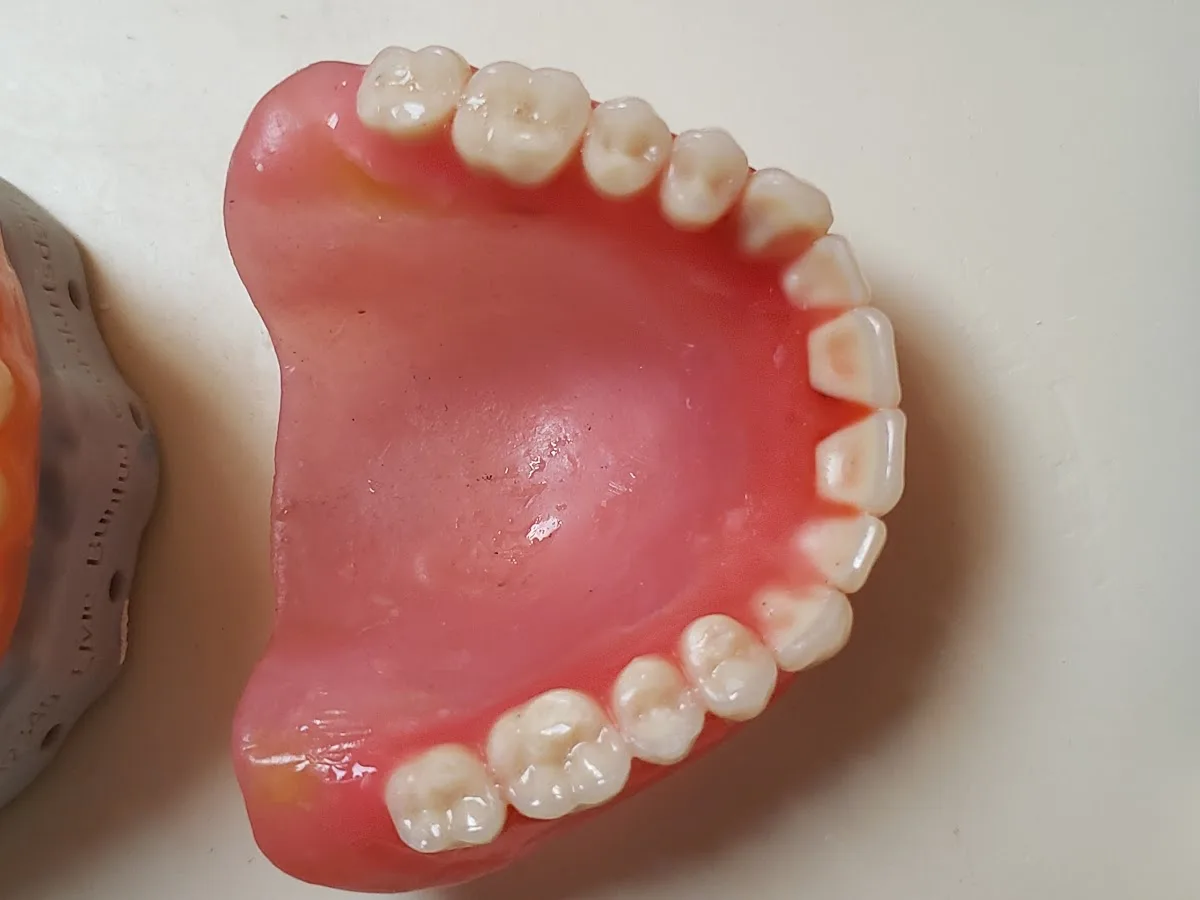
Imagine your tongue feels scalded every day, yet your dentist looks in your mouth and sees nothing wrong. That’s the frustrating reality of burning mouth syndrome (BMS). Patients often see several clinicians before anyone puts a name to it, and some are told it’s “just stress.” It isn’t imaginary, and while there’s no single cure, there is a logical way to find hidden causes and a set of treatments that help many people.
A detailed review of BMS was part of the oral medicine reading in my integrative training through the American College of Integrative Medicine and Dentistry (ACIMD). Here’s how I approach it.
Key takeaways
- BMS is a chronic burning or tingling pain in a mouth that looks normal. It affects up to a few percent of adults and is most common in women after menopause.
- Before calling it BMS, look for treatable causes: nutrient deficiencies, yeast infection, dry mouth, diabetes, thyroid problems, reflux, medications, and reactions to dental materials or flavorings.
- When no cause is found, treatments with the most support include topical clonazepam, alpha-lipoic acid, photobiomodulation (low-level light therapy), and cognitive behavioral therapy, often in combination.
- Evidence for every treatment is limited, so expect a stepwise, patient approach rather than an instant fix.
What Burning Mouth Syndrome Feels Like
People describe burning, scalding, tingling, or a “raw” feeling, most often on the tip and sides of the tongue, but sometimes on the lips, palate, or gums. Common companions are dry mouth and changes in taste, such as a bitter or metallic taste. Many patients notice the pain builds through the day and eases while eating or drinking.
The International Headache Society’s criteria describe BMS as an intraoral burning or abnormal sensation recurring daily for more than two hours a day over more than three months, without visible lesions to explain it. Reported prevalence ranges from under 1% to about 5% of adults, with women affected far more often than men and the highest rates in postmenopausal women.
Primary vs. Secondary BMS
This distinction drives everything that follows:
- Secondary BMS has an identifiable cause. Treat the cause, and the burning often improves or resolves.
- Primary BMS is diagnosed when no local or systemic cause is found. Research points to a problem in the nerves themselves, a small-fiber neuropathy of the tongue, plus changes in how the brain processes pain.
Causes to Rule Out First
When a patient describes burning, I work through these possibilities:

Nutritional deficiencies. Low vitamin B12, iron (check ferritin), folate, zinc, and other B vitamins can all cause burning or soreness (see what your tongue reveals about nutrient deficiencies).
Oral yeast infection. Candida can be subtle, especially under dentures, and it burns.
Dry mouth. Medications, dehydration, mouth breathing, and conditions such as Sjögren’s syndrome reduce saliva, which normally protects the tissues.
Endocrine and metabolic conditions. Diabetes, thyroid disease, and menopausal hormone changes are associated with burning symptoms.
Acid reflux. Stomach acid reaching the mouth can irritate the tissues.
Medications. Some blood pressure medications, particularly ACE inhibitors, as well as certain antidepressants and other drugs, are associated with burning or taste changes.
Contact reactions. Flavorings such as cinnamon (cinnamaldehyde) and strong mint, toothpaste detergents like sodium lauryl sulfate, and, less commonly, dental materials can irritate or sensitize the tissues.
Habits and mechanics. Tongue thrusting, rubbing the tongue against teeth, clenching, and poorly fitting dentures can all contribute.

Other mouth conditions. Geographic tongue, lichen planus, and other lesions can burn. If something is visible, it isn’t BMS (see oral lichen planus).
Tests worth discussing with your doctor
A reasonable starting panel includes a complete blood count, ferritin, vitamin B12, folate, zinc, fasting glucose or HbA1c, and thyroid function. Depending on the history, your clinician may add tests for vitamin D, parathyroid function, or Sjögren’s syndrome, a culture or smear for yeast, and patch testing if a contact allergy is suspected.
Treatments With the Most Support
If the workup is normal, these options have the best evidence, though a Cochrane review rated the overall quality of evidence for BMS treatments as low:
Topical clonazepam. Clonazepam is a benzodiazepine. In the “suck and spit” method, a small tablet is held in the mouth near the painful area for a few minutes and then spat out, which limits how much is absorbed. Meta-analyses suggest it reduces pain for many patients. It requires a prescription and a discussion of risks, especially for older adults.
Alpha-lipoic acid. This antioxidant is used for nerve pain in diabetes. Several trials of 600 to 800 mg daily for one to two months showed improvement, though results are mixed. It can lower blood sugar, so people taking diabetes medications should check with their physician.
Photobiomodulation (low-level light therapy). Red or near-infrared light applied to the tongue and mouth has shown promising results in a number of studies, although treatment settings vary widely. It’s painless and available in many laser-equipped practices, including mine, which uses a 640-nm red-light laser for photobiomodulation.
Capsaicin. Diluted capsaicin rinses or gels, the active ingredient in hot peppers, can desensitize pain nerves after an initial increase in burning. Some patients find it helpful; others can’t tolerate it.
Cognitive behavioral therapy. BMS is often accompanied by anxiety, poor sleep, and depression, which can amplify pain. CBT has helped some patients, especially combined with other treatments. This isn’t a suggestion that the pain is psychological; it’s a recognition that the nervous system processes pain and mood together.
Medications for nerve pain. Gabapentin, pregabalin, and certain antidepressants are sometimes used for persistent cases under the care of a physician or orofacial pain specialist.
Everyday Steps That Help
- Sip water often and use xylitol gum or lozenges to stimulate saliva.
- Switch to an SLS-free, mildly flavored toothpaste and avoid cinnamon and strong mint (see toothpaste ingredients to avoid).
- Limit alcohol, tobacco, acidic drinks, and spicy foods if they trigger symptoms.
- Avoid alcohol-based mouthwash.
- Protect your sleep and find ways to manage stress, since both affect pain sensitivity.
What to Expect
BMS tends to be long-lasting, and complete spontaneous remission is uncommon, although partial improvement over several years is reported in some patients. The goal of treatment is to reduce pain enough to restore quality of life. Many people do best with a combination of approaches, adjusted over time. An orofacial pain specialist or oral medicine specialist can be a valuable partner if your dentist or physician isn’t familiar with the condition.
Frequently Asked Questions
What causes burning mouth syndrome?
Primary BMS appears to involve damage or dysfunction of small pain nerves in the tongue and changes in how the brain processes pain. Secondary burning can be caused by nutrient deficiencies, yeast infection, dry mouth, diabetes, thyroid disease, reflux, medications, or reactions to flavorings and materials. Finding and treating those causes comes first.
What vitamin deficiency causes a burning tongue?
Low vitamin B12, iron, folate, zinc, and other B vitamins can all cause a burning or sore tongue. A blood test can confirm which, if any, is low, so treatment can be targeted rather than guessed.
Can dental fillings or materials cause a burning mouth?
Occasionally. Allergic or irritant reactions to dental materials, denture acrylic, toothpaste ingredients, or flavorings like cinnamon can cause burning. If symptoms started after dental work or a product change, mention it; patch testing can help identify an allergy.
Does burning mouth syndrome go away?
Complete spontaneous remission is uncommon, but symptoms can improve over time, and many patients get meaningful relief with treatment. A combination of approaches, adjusted over several months, usually works better than any single remedy.
Who treats burning mouth syndrome?
Dentists, oral medicine specialists, orofacial pain specialists, and physicians can all be involved. Because so many causes need to be ruled out, it often helps when your dentist and physician coordinate the workup.
Bottom Line
Burning mouth syndrome is real, common in midlife, and often under-diagnosed. Start by ruling out treatable causes with a careful exam and targeted blood tests. If none is found, a stepwise plan using topical clonazepam, alpha-lipoic acid, light therapy, capsaicin, and attention to sleep and stress helps many people take back control.
References
- Alsabbagh R, Ouanounou A. Burning mouth syndrome: etiology, clinical presentations, and treatment alternatives. Dentistry Review. 2022;2:100036.
- McMillan R, et al. Interventions for treating burning mouth syndrome. Cochrane Database of Systematic Reviews. 2016;(11):CD002779.
- Cui Y, et al. Efficacy evaluation of clonazepam for symptom remission in burning mouth syndrome: a meta-analysis. Oral Diseases. 2016;22(6):503-511.
- Zhang W, et al. Effectiveness of photobiomodulation in the treatment of primary burning mouth syndrome: a systematic review and meta-analysis. Lasers in Medical Science. 2021;36:239-248.
- Headache Classification Committee of the International Headache Society. The International Classification of Headache Disorders, 3rd edition (ICHD-3). Cephalalgia. 2018;38(1):1-211.
About the Author

Dr. Gyu Hwang, DDS, practices at Evergreen Dental Wellness in Annandale, Virginia. He has treated patients since 2004, beginning with his clinical training at the University of Michigan School of Dentistry (DDS, 2006). His postgraduate training includes the Pankey Institute, the Dawson Academy, the Kois Center, and biological and integrative dentistry through the American College of Integrative Medicine and Dentistry (ACIMD). His practice focuses on biological dentistry, implants, laser dentistry, and sleep appliances. Read more about Dr. Hwang.
This article is for education and does not replace evaluation by your dentist or physician.